Chapter 1
Caring for Coastal BC
Modern Salmon Farming in BC: A Review · Version 1.0, March 2024


Introduction
BC salmon farmers believe our role is to grow salmon in harmony with nature and the communities of coastal British Columbia. We need healthy oceans to grow our fish. Knowing this, we are focused on being part of the solution for climate change, feeding the world, and conserving wild salmon by taking pressure off wild stocks. We are committed to seeing the ocean and coastal communities thrive and supporting the Nations in whose territories we operate.
In this 13-chapter series, we will discuss the measures and progress we have made to reduce our environmental footprint and increase our community footprint. We will describe practices, equipment, and processes we use to minimize our effects to the surrounding environment and to wild salmon - as well as data evaluating the results of those measures. In this first chapter, we summarize our footprint and innovations, and explain how the salmon farming sector brings positive benefits to coastal British Columbia.

Indigenous guidance and stewardship
Through generations of close connections with the environment, Indigenous peoples safeguard an estimated 80% of the world’s remaining biodiversity (4). Together, the global community has an opportunity to reorient the way it interacts with nature and combat climate change through collaborating with, and learning from, Indigenous peoples, the stewards of nature and their territories.
While, in 2023, not all BC First Nations are fully in support of finfish net-pen aquaculture, many Nations and salmon farming companies are on a journey of reconciliation, developing a range of relationships that recognize the Rights and Title of First Nations in the coastal environment on their own terms (Figure 1) (5).

Figure 1. Kitasoo Xai’xais Nations community of Klemtu on the BC Central Coast where one in two households are employed in salmon farming.
Today, 100% of farm-raised salmon in BC is raised in partnership with local First Nations, and the input, guidance, and oversight of First Nations in salmon farming has evolved from generally non-existent to expected.
“Salmon farming is a small drop in the bucket of the overall holistic approach we will take to managing our marine spaces. It is a part of the whole. We will be weaving Indigenous Traditional Ecological Knowledge (TEK) with Western science, while advancing technologies and the oversight of our Guardian Watchmen to help lead aquaculture in Canada, all while benefitting our communities via own-source revenue.” Dallas Smith, spokesperson, Coalition of First Nations for Finfish Stewardship
“The partnership has been tremendous. We have First Nations people from our reserve working on these boats. Plus, many of them are working at the processing plan. It’s absolutely great for our people”. James Walkus, James Walkus Fishing Company.
Repairing, strengthening, and advancing relationships with First Nations has moved to the forefront of priorities for salmon farming companies. In the past two decades, we have formed partnerships and formal agreements in the territories where we operate to increasingly recognize Indigenous interests and needs in supporting their coastal communities. Companies have taken considerable steps to ensure that the future path of the sector is created with First Nations, not apart from them (for example, Gratitude Seafood by Nuu-chah-nulth Seafood Company – Figure 2).
We have also learned that we need to exit the territories where we are not welcomed, and as of 2023, we have done that. As of 2023, 100% of farmed salmon in BC, Atlantic or Chinook, was done in partnership with First Nations.
While there is still work to be done and much to learn, First Nations and the sector are feeling their way forward, and finding that, by working together, transparency, shared best practices, and opportunities can be achieved – and, in turn, coastal communities and the environment will benefit.

As of February 2022, the sector directly and indirectly employed over 700 Indigenous people, provided $120 million in total annual direct and indirect economic benefits to First Nations, with $42 million going directly to Indigenous communities (5). The sector also infused $24 million annually into Indigenous-owned businesses.
For most of these communities, those benefits cannot be replaced, and the threat of losing them via government closures is a real threat to their social safety. The incomes and economic benefits from salmon farming has the ability to lift entire families away from dependence on social assistance and, by providing meaningful year-round employment, helps prevent significant social issues in communities, including addiction, poverty, and suicide.

Figure 2. Gratitude smoked Atlantic salmon by Nuu-chah-nulth Seafood.
Source: Gratitude Seafoods (6)
First Nations involved in finfish aquaculture are finding unique ways to not only benefit from the sector, but to create Indigenous-led business opportunities from their partnerships. Indigenous-led businesses include processing & value-added opportunities, (smoked and canned salmon), transport boats, crew boats, and net washing services.
In communities like Klemtu, located 800km north of Vancouver, the Nation has found a way to lead and benefit from the entire farm-to-table process thanks to their own early venture into salmon farming in the 1990s. This led to a partnership with a global company (Mowi) in exchange for their expertise in net-pen aquaculture and feeding. Today, Mowi and the Kitasoo Xai’xais have the longest-standing salmon farming agreement in Canada. Today, the installation of a smokehouse by their partner, Mowi, has gifted the Nation a value-added product now sold across North America. (Figure 3).
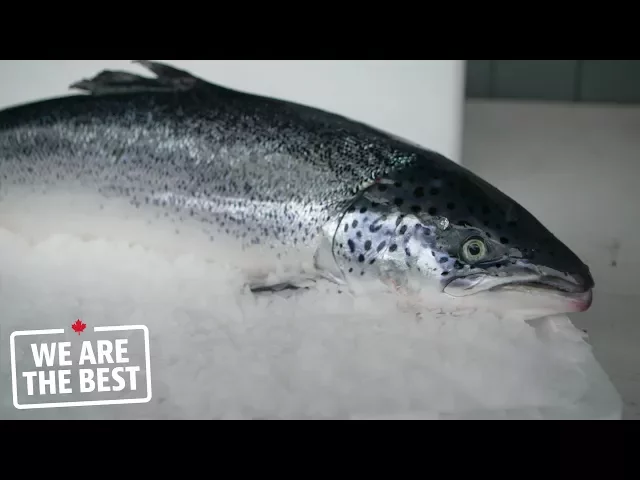
Figure 3. Farmed salmon from Kitasoo Xai'xais: raised to preserve local natural resources | We Are The Best - YouTube
Connecting with coastal communities
Salmon farmers live and work in many coastal communities in British Columbia. People involved with salmon farming raise families, are involved in community events, socialize and have developed relationships with their neighbours, friends, and colleagues in these communities.
Farmed salmon is BC’s number one seafood commodity export and its top agri-food commodity export. The average sector wage is 30% higher than the provincial median employment income. These jobs are typically created in areas of higher unemployment, particularly North Vancouver Island (7). A June 2023 report for BCSFA estimates that the salmon farming sector currently generates approximately $1 billion in total economic activity, $358 million in GDP, and $223 million in income for families within BC annually, and creates 3,950 good paying jobs in the province (8).
Salmon farms are sprinkled along the BC coastline, in total, 13 hatcheries and 82 sea sites. Although the actual footprint of farms in the ocean is extremely small (less than the size of Stanley Park in Vancouver), the community footprint is large (Figure 4).

Each year, BC salmon farmers support hundreds of individual initiatives for education, health and well-being, arts, and sports. In 2018, BC salmon farmers made 375 contributions to organizations and charities, totaling over $750,000 and over 30,000 pounds of farm-raised salmon.
Salmon farmers also support habitat restoration and conservation efforts during all life stages of Pacific salmon (watersheds, estuaries, near shore and high seas). This includes funding and/or collaborating with 27 enhancement societies and communities in BC.
For more information see Chapter 13.

Figure 4. The community footprint of salmon farming in BC.
“Fifty-one per cent of our economy is fish farms. We would go back to the 70s – alcoholism, all those social issues. Hearing from other leaders about the suicides that were just rampant, I, as a young leader, do not want to go down that path”. Isaiah Robinson, Councilor, Kitasoo Xai’xais Nation
Growing salmon sustainably
Coastal health is at the heart of sustainable aquaculture development. Salmon farming requires healthy ocean ecosystems to grow healthy salmon. It also requires healthy coastal communities to provide the labour force, supplies and supports. Together with our Indigenous Rightsholder partners, we seek to operate our sector wisely with consideration for the biodiversity of our coastline and its coastal people.
Salmon are grown in hatcheries and in the sea. It takes about six years to grow salmon, including the planning phase (Figure 5). A typical salmon farm has eight to twelve cages anchored in a grid pattern. The cages may be circular or square and vary in size from 30 metre squares to 200 meter diameter circles. The amount of fish grown at a site depends upon the oceanographic and biodiversity conditions at each site as described in “Chapter 8 – Caring for the Environment – Protecting Biodiversity”. Water quality and seafloor protection are two of the key variables influencing how many fish can be grown at each site. The average farm has about 800,000 fish. Salmon occupy less than four per cent of the space in their net pen and are provided plenty of room to mimic natural schooling patterns.
As salmon grow, there are many innovations and safeguards along the way to ensure optimal fish health and performance and to minimize environmental costs (Figure 6).
Over the past 40 years, salmon farmers have been listening and learning and innovating and implementing. This has significantly improved our environmental and community sustainability, as discussed in detail in the chapters of this series, and highlighted below.


Figure 5. The six-year cycle of farm-raised salmon.

Figure 6. Innovations and safeguards along the value chain of farm-raised salmon in BC.

Photo by Brian Kingzett
Wild salmon in the Pacific Ocean
Wild Pacific salmon are iconic in British Columbia.
Recent wide swings in Pacific salmon abundances throughout the north Pacific Ocean ecosystem are affecting BC First Nations’ food security and capture fisheries in all five countries that rely on Pacific salmon (Republic of Korea, Japan, Russian Federation, USA, Canada) suggesting large, basin-wide mechanisms are influencing fish stocks.
Very little is known about the mechanisms that control Pacific salmon abundances in the ocean and the effects of climate change on those mechanisms. The situation is concerning for the ecosystems and coastal people of the north Pacific Ocean.
New thinking and collaborations are needed to address the big picture on what is happening to wild Pacific salmon throughout the north Pacific Ocean ecosystem.
For more information and sources see Chapter 2.

Conserving wild salmon
We believe everyone in British Columbia has a role in respecting, understanding, and conserving wild salmon.
BC salmon farmers are experts in oceanography and raising salmon and have valuable knowledge to share.
We support research to understand Pacific salmon in the high seas, monitor nearshore oceanography, collaborate on mapping and restoring estuaries and watersheds, and are involved in numerous enhancement projects throughout coastal BC.
Scope may include sharing expertise on salmon husbandry, veterinary medicine, equipment, and near-shore oceanography.
For more information and sources see Chapter 3.

Respect for Indigenous peoples
Today, 100% of farmed salmon in BC is raised in partnership with local First Nations, and the input, guidance, and oversight of First Nations in salmon farming has evolved from generally non-existent to expected.
First Nations involved in finfish aquaculture are finding unique ways to not only benefit from the sector, but to create Indigenous-led science, employment, and business opportunities from partnerships and agreements. Indigenous-led businesses and economic diversification opportunities include processing (value added like smoked salmon and canned salmon), transport boats, crew boats, and net washing services. Wild salmon revitalization and Guardian Watchhmen programs, supported by BC salmon farmers, provide essential eyes on the water for Nations in their traditional territories.
As of February 2022, the industry directly and indirectly employed over 700 Indigenous people, provided $120 million in total annual direct and indirect economic benefits to First Nations, with $42 million going directly to Indigenous communities. The sector also infused $24 million each year into Indigenous-owned businesses
For most of these communities, those benefits cannot be replaced, and the threat of losing them via government closures is a real threat to their social safety.
For more information and sources see Chapter 4.
Minimizing fish escapes

Preventing fish escapes is a top priority. Salmon farmers’ goal is to not lose any fish to escapes.
When the fish are biologically ready to move to salt water, farmers move them to ocean pens that have been specifically engineered to withstand weather and tides based on international farming standards (Norwegian Standard N9415) (9).
Fisheries and Ocean (DFO) requires that all finfish containment systems must be able to withstand local weather and ocean conditions. Containment systems must be regularly inspected and maintained to ensure integrity and control factors contributing to failures, including biological matter buildup, ice buildup and marine mammal interactions (10). There are required actions in the unlikely event of an escape.
These measures have been very effective.
Atlantic salmon farmers have significantly reduced escapes by 97% since 2010, averaging 12 fish/year from 2011 to 2018. A catastrophic fire in 2019 at a farm resulted in the escape of 20,973 fish. From 2020 to 2022, 121 individual Atlantic salmon escaped from farms.
Since 2012, 2,998 Pacific salmon have escaped from farms. During the same time period more than 2.7 billion Pacific salmon were released from enhancement hatcheries in BC.
Escaped Atlantic salmon have not established reproducing populations in BC. Atlantic salmon are very sensitive to habitat changes and this limits their ability to succeed in new habitats. The Atlantic Salmon Watch Program, first established in 1991, has not found evidence of established feral populations of Atlantic salmon in BC.
For more information and sources see Chapter 5.

Minimizing incidental catch
Similar to commercial capture fisheries, salmon farmers must manage incidental catch.
At a farm, incidental catch is any wild finfish caught during handling events such as harvesting, during the movement of fish between facilities or while removing nets. Incidental catch results after wild fish swim through the nets containing the farmed salmon and either choose to find refuge in the nets or grow to a size that they can no longer swim out.
DFO requires that farmers design all equipment and practices in manners that cause the least amount of harm to incidental catch. There are also requirements for releasing incidental catch and reporting incidental catch mortalities. DFO publicly reports incidental catch mortalities (10).
Salmon farmers continually invest in equipment, farming practices and staff training to minimize interactions with wild fish. These measures have been very effective in reducing incidental catch at farms. Measures include improving ways to separate and release incidental catch alive and modifying lighting systems to avoid attracting wild fish to the pens.
From 2011 to 2022, 94.4% of incidental catch mortalities at salmon farms were Pacific herring. These herring mortalities represented 0.014% of the BC commercial fishery herring catch during the same period (not including the roe, food, bait, and special-use fisheries). The highest number of Pacific herring incidental catch mortalities occurred in Clayoquot Sound in 2022 - the same year the West Coast Vancouver Island herring fishing saw its largest spawn event since 2013. The total Pacific herring incidental catch mortality at all salmon farms combined for all areas was equivalent to 0.086% of the herring spawning biomass for West Coast Vancouver Island that year.
From 2011 to 2022, the average incidental catch mortality of other (non-herring) wild fish species was 97 wild fish per year per farm - which is less than two wild fish mortalities per week.
There were 402 Pacific salmon incidental catch mortalities at salmon farms from 2011 to 2021. During the same period, the recreational and commercial salmon fisheries in BC captured 73,694,320 Pacific salmon.
For more information and sources see Chapter 6.
Feed sustainability

Feed is the number one cost of salmon farming. Nutrition and feeding efficiency are top priorities.
Farm-raised salmon eat nutrient-dense, dry pellets that are delivered into the pens using specialized feeding systems. Underwater cameras and sensors monitor feed delivery to avoid overfeeding and minimize waste.
With recent gains in efficiency of feeding and growth, BC farm-raised salmon now produce more high-quality marine protein than they consume. It takes about 1.15 to 1.2 kilograms of feed to produce 1 kilogram of farm-raised salmon. This is more efficient than chicken, beef, or pork.
Feed is formulated to optimize salmon health and there are no added steroids or hormones. Carotenoids – the same natural ingredients found in carrots and egg yolks – are added to their diet to provide salmon with antioxidants, vitamin A, and to give them their pink colour.
Fish meal and oil – once the primary ingredients in Atlantic salmon feed, have been mostly replaced with plant and land-animal ingredients. All fish trimmings used in BC for Atlantic salmon feed come from
sustainably managed Alaskan pollock and Pacific hake fisheries, landed in Canada and the United States.
75-80% of the fish meal and oils used to feed farm-raised Chinook salmon are derived from the by-products of the BC herring and hake fisheries.
Feeds are locally made in BC – with an average of about 80% of the ingredients coming from Canada and the United States. The remaining is sourced globally from sustainable sources.
For more information and sources see Chapter 7.

Protecting biodiversity
Protecting biodiversity is a legal and ethical responsibility of salmon farmers in BC. Federal, provincial and local governments have legislation and processes that protect wildlife and biodiversity.
Finding suitable places for salmon farms is a complex process that takes years. It begins with discussions with First Nations Rightsholders. Farms must meet the various government criteria in order to be approved. Once operational, farms must follow all laws to protect fish, fish habitat and wildlife.
Farm-raised salmon are very sensitive to water quality. Only specific areas of the coast are suitable to grow salmon. Each farm location is carefully chosen in areas with the right water temperature, depth, and currents.
The nutrient footprint associated with salmon farms is regulated to protect biodiversity. For more than 20 years, regulated thresholds have limited the size and intensity of the salmon farm footprint. Farms that do not meet the thresholds must be fallowed until they do. In this manner, company fish production
schedules rely on sustainable seafloor performance.
Maintaining water quality and the growing environment is essential for raising healthy salmon. Sites are operated to minimize effects to the seafloor and shoreline near salmon farms.
Registered Professional Biologists monitor the seafloor for each crop of salmon. From 2010 – 2022, 86% of sites in BC met regulated thresholds at peak production and did not require any additional fallowing (11).
Most farms are fallowed for about three months to allow the seafloor to rest and prepare the site for the next crop. The majority of nutrients released from a farm settle within 150 meters of the cages.
A typical salmon farm produces 4 to 6 million pounds of salmon every two years in a cage array that is about 4 hectares in size. This is an incredibly efficient method of animal farming.
All salmon farming companies are also involved in third-party certification programs which have additional criteria to protect biodiversity.
For more information and sources see Chapter 8.
Minimizing wildlife interactions

The majority of interactions between wildlife and salmon farms consist of viewing each other from a safe distance. On occasion, wildlife comes into close proximity to farms. Care must be taken to ensure wildlife, people, and infrastructure are not harmed during these events.
Farmers focus on preventing interactions by minimizing attractants and excluding wildlife access to infrastructure. If exclusionary devices do not work, non-lethal deterrents that have been authorized by DFO may be used to encourage wildlife to avoid the farm. No underwater acoustical detrrents are permitted in BC.

Photo by Brian Kingzett
From 2011 to 2022, there were 431 megafauna mortalities at salmon farms in BC. Almost all (98%) were California sea lions and Harbour seals, reflecting increasing population growth in both species.
In 2012, BC salmon farmers implemented a sector-wide management policy for seals and sea lions that included the implementation of mandatory prevention measures and a “no-kill” policy.
Innovations in infrastructure and staff training have significantly reduced mortalities at farms. From 2013 to 2022, there were, on average, 10 mortalities per year at salmon farms in BC, which is approximately one mortality per seven operating farms each year (12).
Sea lion and seal population growth will continue to challenge salmon farmers, given that salmon is naturally a part of the diet of these very intelligent animals. Salmon farmers are working with seal/sea lion biologists to further develop non-harmful deterrents and exclusionary infrastructure.
Six humpback whales interacted with salmon farms in BC from 2011 to 2022. Prior to the development of the DFO database, an additional two interactions occurred with farms: one in 2008 and another 2009. Of the eight entangled humpback whales over the thirteen year period (2008 to 2022), five were successfully released unharmed (13). Unfortunately, the other three did not survive.
These events were related to mooring lines or nets located under farms. Contributing factors to entanglement included facility design, anatomy and age: all whales entangled were young (13). Researchers concluded that this could be due to naivety and inexperience, as well as developing new feeding methods compared with adults. The entanglements
accounted for less than six per cent of all entanglements in B.C.
Operational changes to mooring lines were made after 2018 to reduce these interactions. DFO whale experts and regulatory personnel provide guidance/instruction to farmers in the event of an entanglement.
There have been no reported mortalities of sharks, turtles, otters, porpoises or dolphin at BC salmon farming operations.
For more information and sources see Chapter 9.
Managing sea lice

Photo by Steel_Snorkel
Sea lice naturally evolved alongside Pacific salmon. They occur on all species of wild Pacific salmon and are called ḵ̓a̱t̕a̱'yat'si by coastal Kwak’wala peoples, and daaga by Hlg̱aagilda X̱aayda Kil (Haida) peoples.
There are two main species of sea lice in BC: the “salmon louse” (Lepeophtheirus salmonis oncorhynchi), which mainly infests salmon; and the “herring louse” (Caligus clemensi), which infests at least 12 fish species besides Pacific herring. The salmon louse is the larger and more harmful species and the subject of regulatory management programs.
Susceptibility to sea lice and the ability to reject sea lice vary considerably among species of salmon. Atlantic salmon appear to be the most susceptible salmon species in BC to sea lice. Chum and sockeye salmon are the next most susceptible to sea lice followed by Chinook, pink, and coho salmon. Coho salmon skin mucus can engulf and disintegrate sea lice.
In controlled laboratory experiments, sockeye salmon at 40 grams can host 19 attached “salmon lice” with no significant harm. By about 90 grams, sockeye salmon appear to become more vulnerable to the “salmon louse”, similar to Atlantic salmon.
Pink salmon develop the ability to shed sea lice within a few weeks after entering seawater. Based on laboratory trials, it takes an average of seven or more “salmon lice” to kill a 0.7-gram pink salmon. All researchers have reported that rapid shedding of sea lice makes it challenging to study sea lice effects on pink salmon in controlled laboratory and field settings.
Newly emergent pink salmon can swim well above the typical cruising speed of one body length per second while infested with three pre-adult “salmon lice.” It takes two or more pre-adult/adult “salmon louse” to compromise maximum swimming speed in small pink salmon 0.5 – 0.7 grams in size.

Farm-raised salmon are sea lice-free when they are stocked in ocean pens. Although Atlantic salmon are the most sensitive salmon species, observations of significant harm to farm stock caused by sea lice have been extremely rare.
Farm-raised Pacific salmon are robust against sea lice infestation and almost never require treatment. For example, there were no sea lice treatments for farm-raised Chinook salmon between 2016 - 2021. Creative Salmon, who specialize in raising organic Chinook salmon, have never treated for sea lice in the 34 years they have grown Chinook salmon in BC.
Farmers have treated for sea lice infestations on farm-raised Atlantic salmon in British Columbia since at least 1991. In 2003, the BC government instituted a precautionary management threshold for sea lice that was twice as stringent as Norway at that time. The regulatory sea lice management threshold has been in place for 20 years.
Farmers have progressed to sophisticated and effective measures to minimize sea lice transmission from farm-raised salmon to wild salmon that focus on integrated pest management using a suite of prevention and treatment tools, and an industry agreement to cooperate, innovate and improve.
Under the guidance of licensed veterinarians, Atlantic salmon farmers have successfully managed sea lice populations during the juvenile wild salmon outmigration window, with very few exceptions (14). Sea lice levels at most farms have been below the regulated management threshold; all farms that exceeded the threshold initiated management measures to reduce sea lice.
Sea lice levels on juvenile wild salmon are monitored in every salmon farming region in BC. Sea lice are also monitored by other organizations. We compiled a dataset from this monitoring which includes 320,177 fish juvenile wild salmon that were examined for sea lice (2001 to 2022). Pink and chum salmon comprised 96% of the fish examined; coho (2%), Chinook (1%) and sockeye salmon (<1%).
Over a two-decade period, 86.0% of wild salmon had zero or one sea louse.
Sockeye salmon were the most infested species; however, the majority of sea lice were “herring louse”; only 1% of sockeye salmon had pre-adult/adult “salmon lice”.
Among pink salmon larger than 0.7 grams, 99% had no adult “salmon lice”.
It takes several weeks for a sea louse to develop into a pre-adult on host fish. During that time, juvenile pink salmon are also growing and rapidly developing resistance to sea lice. By the time sea lice are large enough to harm pink salmon, most pink salmon are large enough to defend themselves.
Comparing the coastal dataset to published laboratory-derived thresholds of harm revealed that: 0.1% of pink salmon might have been directly killed by sea lice, 0.17% might have had their natural cruising swimming speed impeded, and 5.1% might have experienced a reduction in maximum speed swimming abilities. It is not known if the pink salmon that were potentially harmed by sea lice would otherwise have survived to adulthood, as naturally only 5% of pink salmon survive to spawn in BC. It is also not known what proportion of sea lice originated from farms versus natural sources.
Researchers focusing on the Broughton Archipelago concluded that despite higher infestation rates in chum salmon compared to pink salmon, there is no evidence of reduced productivity on chum salmon populations with either the expansion of salmon farming in the 1990s or sea louse infestations on farm-raised salmon.
Sea lice infestations of pink and chum salmon in the Broughton Archipelago and Discovery islands appear to be unchanged after the removal of salmon farms.
Wild salmon returns have been highly variable both before and after the introduction of salmon farms, but average adult returns of iconic salmon species did not decline during the salmon farming years, suggesting an independence.
For example, total Fraser River pink salmon adult returns averaged 11.9 million per year before salmon farming began (1963 – 1987) and 13.2 million per year during the salmon farming years (1989 – 2021). Thus, wild salmon returns will continue to fluctuate regardless of whether salmon farms are present.
For more information and sources see Chapter 10.
Managing fish health
Salmon farmers,their fish health teams, and their regulatory agencies, under the guidance of First Nation Rightsholders, keep farm-raised fish healthy by selective breeding, minimizing pathogen entry and spread into hatcheries and marine net pens (e.g., vaccines), fish health monitoring and record keeping, prescribed treatments, and being subject to fish health audits by government regulators.


Photo courtesy of CAHS
Licensed salmon farm veterinarians base their fish health management decisions on validated test results generated by independently accredited diagnostic laboratories that follow established testing protocols.
Advances in salmon farming methods have decreased infectious diseases on salmon farms over the past 40 years. This minimizes the transmission of infectious diseases from farms to wild salmon.
Salmon farm fish health teams have successfully decreased the prevalence of high-risk diseases. For example, outbreaks of the IHN virus decreased from 36 farms over 23 months (2001 – 2003), to 3 farms over three months (2012). Since 2012, all farm-raised Atlantic salmon are vaccinated against IHN, and no other outbreaks have occurred.
Antimicrobial treatments of farm salmon in the marine environment have decreased to less than 20% of peak usage in 1997 (15).
Today, only about 3% of farm-raised salmon in the marine environment die each year from infectious diseases. About 17% of farm-raised Atlantic salmon and 10% of farm-raised Pacific salmon die each year from other causes, mostly from low dissolved oxygen, toxic algal blooms, and damage from mechanical treatments used to control sea lice on Atlantic salmon. The remaining farm-raised Atlantic (80%) and Pacific (87%) salmon survive and grow to be harvested as one of the world’s most sustainable animal proteins.

Many variables need to align for disease to occur within an individual fish, and other variables need to align for disease to spread to a population of fish. Safeguards reduce pathogen spread within farms. If pathogens do not spread, then disease does not spread.
Principles of population medicine inform us that if only 3% of salmon confined in the farms over an entire year die of infectious disease, we expect that even fewer wild salmon—dispersed in the environment—will die from farm-source diseases.
Pathogens shed by farms are diluted and degraded in the environment; this decreases the chance of wild fish getting infected from a farm-source disease.
Extensive salmon farm data over the past decade supports Justice Cohen's 2012 conclusion that “Data presented during this Inquiry did not show that salmon farms were having a significant negative impact on Fraser River sockeye.”
Formal assessments of nine salmonid pathogens that occur or have occurred on farm salmon in British Columbia concluded “minimal risk” of each pathogen to Fraser River sockeye salmon abundance and diversity (16).
As evidence that accounts for all salmon farm threats—known and unknown— iconic salmon populations did not decrease during the salmon farming years. Indeed, total Fraser River sockeye salmon adult returns averaged 6.8 million per year before salmon farming began in the Discovery Islands region (1962 – 1989) and 8.0 million per year during the salmon farming years (1990 – 2022).
Total adult returns of pink salmon to rivers in the Broughton Archipelago averaged 0.8 million per year before salmon farming began (1950 – 1987) and 1.1 million per year during the salmon farming years (1988 – 2014; DFO records are incomplete after 2014).
For more information and sources see Chapter 11.

Food safety and security
Three-quarters of the salmon harvested in British Columbia yearly is raised on farms.
BC produces approximately 56,000 tonnes of farm-raised salmon annually, or about 38 million healthy, nutritious meals.
Farm-raised salmon is a healthy food, recommended by experts, as it is rich in essential fatty acids and low in mercury. Studies have demonstrated the many health benefits of omega-3 fatty acids found in farm-raised salmon, including reducing the risks of heart disease and supporting eye health.
Safeguards ensure that BC farm-raised salmon is safe to eat. No artificial dies, steroids, or growth hormones are used – and the salmon is not genetically modified. Any antimicrobials administered to the fish are prescribed by licensed veterinarians.
Fish can only be processed in licenced processing facilities. Farm-raised salmon are regularly tested for residues, including antibiotics and pesticides, heavy metals, and PCBs, by the sector and the Canadian Food Inspection Agency.
Farm-raised salmon can be traced back to the original farmer and hatchery where the fish were raised, including records of what they ate and how the farmer cared for them. All BC salmon farming companies are involved in third-party certification programs that evaluate farming processes –both marine and on land, as well as feed manufacturing and fish processing to ensure quality seafood and responsible production.
For more information and sources see Chapter 12.
There are many regulations that govern salmon farming in BC. The main responsibilities of the provincial and federal governments are described in Table 1 below. For more details, please see Chapters 5 to 12 that describe the regulatory framework for managing escapes, incidental catch, feed sustainability, seafloor performance, wildlife interactions, sea lice, fish health, and food safety. For performance data on the sector, please see summaries provided by DFO through the Open Government Portal (17).
Table 1. Summary of federal and provincial jurisdictions for salmon farming in BC. Adapted from the Library of Parliament, Ottawa, Canada, 2021 (18)
Management area | Federal or Provincial Government |
|---|---|
Site approval – determining where a farm can be located, including considerations for navigation | Federal |
Land management – overseeing the land where a farm is located | Provincial |
Day to day operations and oversight, monitoring of farm activities | Federal |
Introductions and transfers – managing the planned movement of fish | Shared |
Drug and pesticide approvals – determining which medicines are approved for use | Shared |
Feed safety – monitoring and ensuring the safety and quality of fish sold to markets | Federal |
Concern for the planet – the bigger picture
Our planet is facing two daunting issues: climate change and population growth. Our oceans, which cover about 70% of the planet, have absorbed more than 90% of Earth’s excess heat since at least 1971 (19). At the same time our planet is warming, the world’s population is predicted to increase from 8 billion to about 10 billion people by 2059 (20). Climate change and population growth are both global problems and local problems. We know that what happens elsewhere affects what happens here – climate change and human population growth are everyone’s problem.
Recent wide swings in Pacific salmon abundances throughout the north Pacific Ocean ecosystem are affecting capture fisheries in all five countries that rely on Pacific salmon (Republic of Korea, Japan, Russian Federation, USA, Canada) suggesting large, basin-wide mechanisms are influencing fish stocks.
.
In BC, our coastal waters are warming, and our population is growing. BC’s population is expected to increase to 6,515,558 by 2041, with much of the growth in the Lower Mainland and coastal regions (21). These are huge concerns for the survival of wild Pacific salmon. More people likely means more greenhouse gases and additional climate change pressures. It will bring additional stresses to coastal BC, particularly to the natural habitats that Pacific salmon rely on. With respect to the mechanisms that control Pacific salmon abundance in the ocean, we know very little about how those mechanisms are affected by climate change.
The total global food demand is expected to increase by 35% to 56% between 2010 and 2050 (22). This is creating food security concerns when we consider that there are about 35 growing seasons until the world population hits 10 billion people.
“Over the next 50 years, we’ll have to produce as much food as we have ever produced in human history” Megan Clark, Australian Commonwealth Scientific and Research Organization Can We Grow More Food in 50 Years Than in All of History? - ABC News
Feeding the world in a sustainable manner is a formidable task. Approximately two thirds of the land on earth is either barren (glaciers, deserts, salt flats), already actively farmed, or developed as cities and towns (Figure 7). The enormous pressures on productive land and freshwater resources are pushing agricultural ecosystems to the limit; the United Nations Food and Agriculture
Organization estimates that land degradation now affects 34% of the cropland and pasture (23). Only 37% of the landmass remains as forest or shrubland. Freshwater, at 1% of the land base and essential for life, is the world’s most precious resource.

Figure 7. Global land use, display of the proportion of ocean compared to land, and the uses of the land by percentage of the total land mass on earth.
Adapted from the United Nations Food and Agricultural Organization (23-25)
These statistics are sobering, and these problems are bigger than what one group or person can tackle alone. However, aquaculture has a role in both mitigating climate change and sustainably feeding people.
According to G20 Rome Declaration of 2020, Canada recognizes “that promoting sustainable food systems, including by strengthening global, regional and local food value-chains and international food trade, will contribute not only to food security, but also make a major contribution to tackling the interlinked global challenges of climate change and biodiversity loss” (26).
“The single biggest threat of climate change is the collapse of food systems” Jerry Hatfield, the director of the U.S. Department of Agriculture’s National Laboratory for Agriculture and the Environment What Climate Change Will Do to the Global Food Supply | TIME (2)
Advantages of aquaculture
Global food production contributes about 30% of the total greenhouse gas emissions driving climate change (27). About 70% of those emissions come from land-based agriculture and associated land use/land-use change activities (27).
By comparison, oceans produce about 17% of the world's per capita consumption of animal protein (28, 29). On a caloric basis, food from the sea is only about 2% of the total global food supply (30). The rest of our food comes from the land. It’s clear there is room in the sea to grow food to take pressure off the land.

Smaller climate change and environmental footprint
We know that foods are not equal in terms of nutrition and their environmental footprint. Food production from the sea is advantageous from a climate change perspective for four reasons:
Less land – it does not require land conversion like land-based food systems (e.g., conversion from forests to farms and areas for raising livestock). Even when including the production of feed for farm-raised salmon (31).
Less feed – fish from the sea are cold-blooded and buoyant, so they require less food (32). They do not need to be kept warm and require far less energy to maintain. Fed aquaculture species, such as salmon, convert feed much more efficiently than terrestrial production systems (33, 34) and unfed aquaculture species, such as oysters, do not require feed inputs.
Less feed means less fresh water - salmon have a lower feed conversion ratio (FCR) compared to beef, pork, and chicken (35); a lower FCR means that per kilogram the animal requires less water, because water use per kg is almost entirely based on the amount of water required to grow crops to produce feed (36). Species such as trout and salmon have the lowest freshwater use among cultivated fish (37).
Less greenhouse gas emissions – capture fisheries of large pelagic, small pelagic and white fish, and aquaculture species such as shellfish and salmon, have lower emissions compared to terrestrial animal production (38) (39).
Aquaculture species grown in the sea use the naturally provided oxygen and heat provided by the sea to flourish. Unfed aquaculture species uptake their nutrients naturally from the surrounding waters.
When comparing the carbon footprint of BC farm-raised salmon to other agricultural proteins, farm-raised salmon (all species) have the lowest average carbon footprint compared to chicken, pork, and beef as measured as kilograms of CO₂ per typical 40g serving (Figure 8) (40).


Figure 8. Sustainability advantages: less land, less feed, less freshwater and lower greenhouse gas emissions with farm-raised salmon.
Nutritional superfoods
To solve the world’s food crisis, most experts agree that production efficiencies, innovations, waste reduction, dietary changes, and fair food distribution and security are all needed. It’s not just about increasing food supply, it’s about what to produce, how to grow it, and how to distribute it.
“A shift in the global narrative from feeding people to nourishing people is necessary in order that the full benefits of aquatic superfoods can be recognized.” United Nations, Food and Agricultural Organization (2022)

Human health and environmental health are inseparable. The global food system needs to find a way to secure both for nearly 10 billion people by 2050. The recently published EAT-Lancet report calls for “… adopting a Half-Earth strategy for biodiversity conservation (i.e. conserve at least 80% of preindustrial species richness by protecting the remaining 50% of Earth as intact ecosystems)” (41). While focusing on ways to shift global diets away from terrestrial meats, they call for improvements in the management of the world’s oceans and sustainable seafoods. Shifting towards a vegetarian diet has planetary advantages; however, it would be difficult for many populations to obtain
adequate quantities of micronutrients from plant-source foods alone (42).
Food from the sea provides essential vitamins, minerals, long chain omega-3 fatty acids and other nutrients not found in plant-source foods or other animal proteins (43, 44). Salmon, in particular, is a superfood (Figure 9).
There is an ethical responsibility to grow nutritious food. A recent comparison of the nutritional value of 2,370 species of wild-capture fisheries, 624 species grown in aquaculture, and domesticated land animals found that the top seven categories of nutrient rich animal-source foods in the world are all aquatic foods (45)(Figure 10).

Figure 9. Health benefits of one portion of farm-raised Atlantic salmon.
Note RDI = Recommended Daily Intake. Source MOWI Annual Report 2018 (46)
Researchers predict that an 8% increase in farmed or wild-caught aquatic foods could result in a 26% decrease in human diseases (primarily heart disease and cancers) and prevent about 166 million cases of malnutrition from micronutrient deficiencies. Aquatic foods to nourish nations | Nature

Figure 10. Nutrient diversity of aquatic animal-source foods in relation to terrestrial animal-source foods. Note the top seven most nutritious animal-source foods are aquatic.
Source Aquatic foods to nourish nations (45)
World leaders embrace aquaculture
Globally, aquaculture has been the fastest growing protein sector over the past few decades. As of 2018, nearly half of all seafood consumed originated from aquaculture. Worldwide, the demand for blue foods is predicted to increase from 54.7 million tonnes in 2015 to 100 million tonnes in 2050. According to the Fisheries and Oceans Canada (DFO) “Outlook for 2027 for Canadian Fish and Seafood “, global consumption of seafood products is projected to grow approximately 9% by 2027, and the world consumption of salmon is projected to increase by 40%, or almost 2 million tonnes, by 2027 (47).
Aquaculture has been recognized by world leaders as part of the solution for climate change and food production (Figure 11). A discussion on some of the key initiatives currently underway follows.
In 2015, the United Nations General Assembly adopted 17 Sustainable Development Goals (SDGs) to improve health and education, reduce inequality, and spur economic growth – all while tackling climate change and working to preserve our oceans and forests.
“Marine aquaculture, or farming the sea, is a promising opportunity to leverage the ocean to complement responsible land-based agriculture and well-managed fisheries to increase the global supply of nutritious food with minimal impacts on the ocean and the environment. It must be done using the best and most appropriate science and technology.” Schubel and Thompson, Aquarium of the Pacific (2019)
In 2017, the United Nations General Assembly adopted a resolution to protect ocean health and preserve our planet (48). In 2022, the Food and Agricultural Organization (FAO) of the United Nations released their plan, the “Blue Transformation”, which recognizes the increasing role fisheries and aquaculture will play in feeding the world to meet the Sustainable Development Goals designed to safeguard the planet by 2030 (49). It describes the transformations required to ensure that growth goes hand in hand with safeguarding ecosystems, reducing pollution, protecting biodiversity and ensuring social equity (Figure 12) (49).

Figure 11. Aquaculture has been recognized by world leaders as part of the solution for climate change and food production. Figure 12. Blue Transformation for sustainable aquaculture. United Nations, Food and Agriculture Organization, 2023.
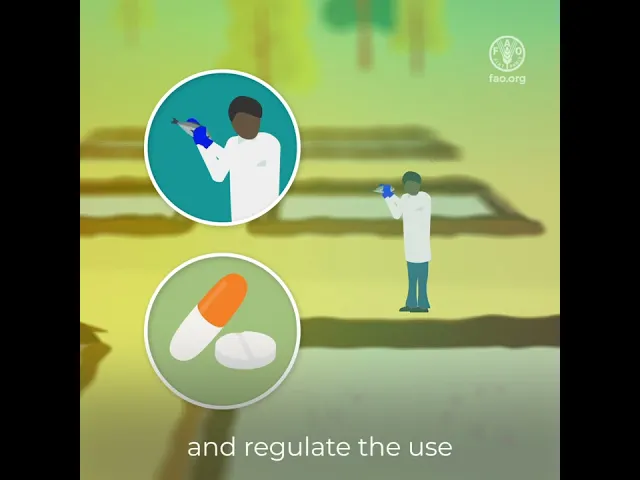
Source Food and Agriculture Organization of the United Nations (50)
In 2020, Canada joined “The High-Level Panel for a Sustainable Ocean Economy”, a group of 17 countries with a shared goal of developing a sustainable ocean economy in which effective protection, sustainable production and equitable prosperity go hand in hand (51) (Figure 13). A panel of 250 experts from 48 countries identified five initiatives that can help overcome these challenges:
oocean-based renewable energy,
oocean-based transport,
oprotection of coastal and marine ecosystems,
oocean-based food systems (wild capture and aquaculture), and
ocarbon storage on the seabed (39).
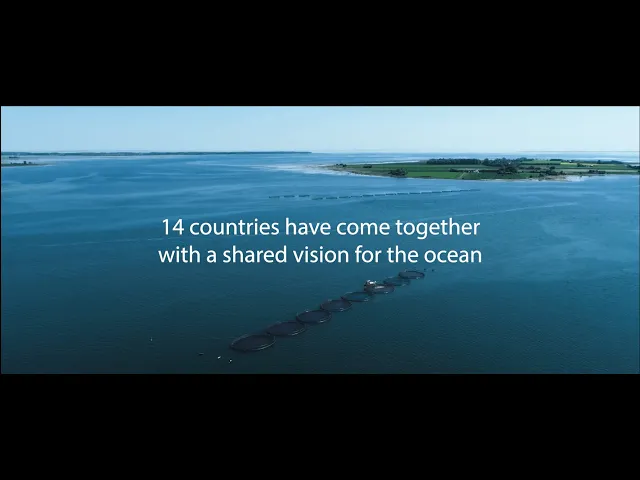
Figure 13. Towards a sustainable ocean economy.
Source High Level Panel for a Sustainable Ocean Economy (52)
In 2022, the World Economic Forum developed “The Road to Sustainable Aquaculture Report” for The High-Level Panel on a Sustainable Ocean Economy (53). They estimated that if the demand for seafood continues to grow at the current rate, “aquaculture will be required to supply more than 55 million tonnes of new farmed marine finfish annually by 2050: nearly 20 times the throughput of today’s global salmon industry “(53).
In 2023, the World Economic Forum through its Blue Food Partnership published “The Global Sustainable Aquaculture Roadmap: Pathways for Systemic Change” stating “…One of our key opportunities, and indeed challenges, will be delivering on the responsible growth of aquaculture to scale the sector within nature’s limits, all while achieving greater social, economic and environmental benefits” (54).
They identified four key actions to shift aquaculture systems towards the sustainable future that is needed for our planet:
oresponsible production (environmental improvements),
obetter livelihoods (empowering communities),
ohealthy consumption (nutritional benefits of seafood), and
oan enabling social-political environment.
A video describing the Blue Food Partnership goals is presented below (Figure 14).
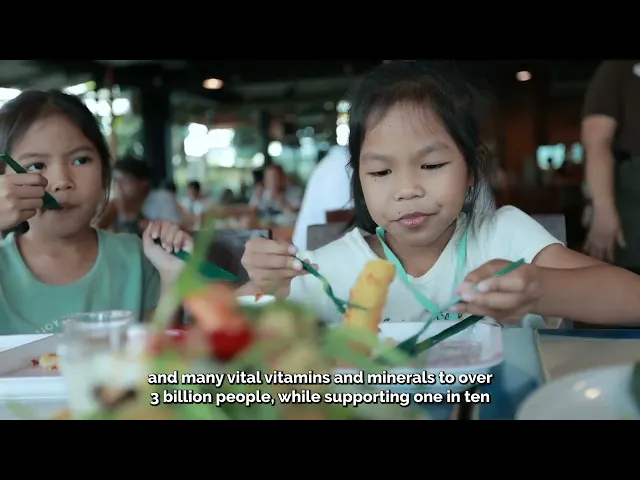
Figure 14. The critical role of blue food, transforming food systems, 2022
Source: The Blue Food Partnership (55)
In support of the initiatives described above, the government of Canada has been developing a comprehensive Blue Economy Strategy to “enable Canada to grow its ocean economy in order to create jobs and opportunity for coastal communities, while advancing our conservation objectives” (56). Canada’s ocean industries generate about $30 billion per year, which is considered to be a small fraction of the overall potential. The Blue Economy Strategy focuses on several ocean-based sectors:
oFish and seafood – commercial fisheries, processing and aquaculture
oMarine transport – ports and harbours, shipbuilding and boat building
oTourism
oOcean-based energy
oTechnology and future-oriented sectors.
In 2022, DFO released a report entitled “Engaging on Canada’s Blue Economy Strategy What We Heard”, which discusses the results of a multi-year Canada wide engagement (56).
Engaging on Canada’s Blue Economy Strategy What We Heard
To position for sustainable growth and prosperity, it was recommended that DFO:
Agree on and take action to further develop Canada’s seafood strengths
Develop a five-year sustainable seafood development plan with measurable objectives
Recognize the diversity of aquaculture across Canada
Foster sector certainty and predictability through government recognition
Collaborate with other departments and agencies (and levels of government) to ensure consistent decision making and streamlined regulations
Expedite development of an aquaculture act
Appoint a federal industry champion for economic seafood sector growth
Recognize aquaculture as a valid user of small craft harbours
Proactively support financing and capacity building for Indigenous-led operations
Accelerate actions to conserve, protect, restore and rebuild marine ecosystems, including to protect aquaculture operations and species from the impacts of climate change
Fill knowledge gaps regarding sustainable use of ocean spaces and new opportunities
Fill policy and regulatory gaps for aquatic plant farming (e.g., seaweed, kelp, etc.)
Quicker and more supportive policy development
Continue to help industry adopt new technologies, including through research and development funding programs
(DFO, 2022) https://waves-vagues.dfo-mpo.gc.ca/library-bibliotheque/41030503.pdf

In 2022, The Coalition of First Nations for Finfish Stewardship formed to ensure that the voices of their communities are heard, “… Nations retain jurisdiction over their lands, waters, resources, and interests through unextinguished Aboriginal title. Title holder First Nations should have the right to decide if, when, or how we want to operate finfish aquaculture in our traditional waters” (57).
Coalition member Nations have negotiated relationships and agreements with salmon farming companies in their traditional territories. They call for the Canadian federal government to adhere to the:
ocommitment to reconciliation and the United Nations Declaration on the Rights of Indigenous Peoples (UNDRIP), and
othe recent promise to support First Nations in their right to manage their ocean resources, including fisheries and aquaculture.
In 2023, The Coalition of First Nations for Finfish Stewardship developed a framework for Indigenous-led finfish aquaculture transition in BC, which includes an Indigenous Centre for Aquatic Health Sciences (iCAHS) as a training hub for First Nations, using western Science and traditional knowledge (see video, Figure 15 and Figure 16).
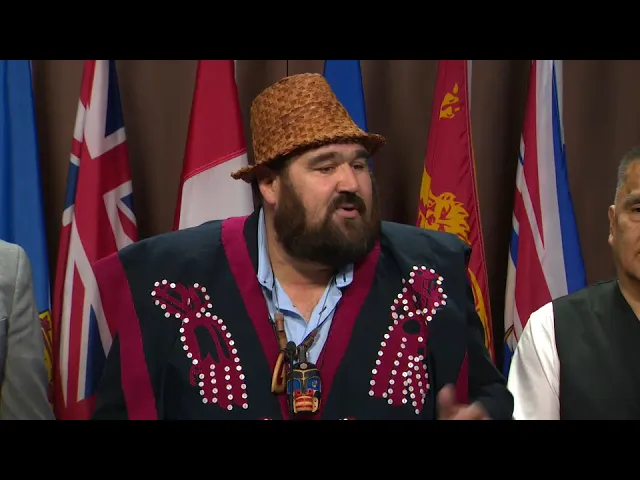
Figure 15. The Coalition of First Nations for Finfish Stewardship present the Indigenous-led Finfish Aquaculture Transition Framework for BC, November 28, 2023.
Source CPAC YouTube (58)

Figure 16. Framework for Indigenous-led finfish aquaculture transitions for BC,
Source: The Coalition of First Nations for Finfish Stewardship, November 2023.
In late 2023, at the United Nations Climate Change Conference (COP28) in Dubai, more than 130 world leaders signed the Declaration on Sustainable Agriculture, Resilient Food Systems, and Climate Action that focuses on transforming food-systems to meet the long-term goals of the Paris Agreement(59). The Declaration was also supported by a Non-State Actors Call to Action for Transforming Food Systems for People, Nature, and Climate that has been signed by more than 150 organisations. On December 9 and 10, 2023, delegates met at COP28 to “discuss the necessary measures to achieve the food systems transformation and the role aquatic foods and alternative proteins can play in this vision” (60).

"What is happening now is the promising first steps of actual food system transformation. If countries commit to working together on issues, including food waste, food security, dietary shifts we can significantly reduce global emissions." Wenche Gronbrekk, UN Global Compact Senior Ocean Advisor (2023)
The Race to Zero Climate Champions (61), an organization representing over 13,000 non-government members (over 9,000 companies, 600 financial institutions, 50 regions, 1100 cites, 1100 educational institutions, 70 healthcare institutions and 30 other organisations) launched their Ocean Breakthroughs transformative pathway to reduce greenhouse gas emissions by focusing on five ocean sectors, including aquatic food (62). Further, they have developed The Ocean for Climate Declaration, describing how key ocean sectors can provide solutions to significantly reduce greenhouse gases and associated climate change impact (63). Their vision aligns with that of the High-level Panel on a Sustainable Ocean Economy (39).
Help take pressure off wild fish
Wild-capture fisheries will continue to supply food in every region of the world. Unlike other seafood categories, the global marine finfish supply continues to be dominated by wild-capture fisheries (Figure 17).

Figure 17. World capture fisheries and aquaculture production by percentage, 2020
Source. The State of World Fisheries and Aquaculture, 2022 (25)
Wild fish are under enormous pressure. According to the United Nations Food and Agriculture Organization (FAO), the world’s remaining wild fisheries that are considered to be ‘underfished’, declined from about 40% in 1974 to just 7.3% in 2019 (Figure 18). Sustainable capture fisheries have also declined from 90% in 1974 to 64% in 2019.

Figure 18. Global trends in the state of the world’s marine fishery stocks 1974 – 2019.
Source. The State of World Fisheries and Aquaculture, 2022 (25)
As sustainable fisheries have stagnated or declined, aquaculture has helped to fill the demand for fish (Figure 19).

Figure 19. World capture fisheries and aquaculture production (1950 – 2020).
Source. The State of World Fisheries and Aquaculture, 2022 (25). Source of population figures: United Nations. 2019. 2019 Revision of World Population Prospects. In: UN. New York (64).
What does this mean for fisheries in BC? While the answer to this question is best left to wild fisheries managers to answer - broad patterns have emerged. As of 2019, overall fishery landings within the Northeast Pacific region appeared relatively stable with 86.2% of the assessed stocks being fished within biologically sustainable levels, the highest among fishing areas in the world (Figure 20). Alaskan pollock represented about 50% of the commercial catch, with Pacific cod (Gadus microcephalus), hakes and soles also strong contributors.

Figure 20. State of major fisheries by region, 2019.
Source. The State of World Fisheries and Aquaculture, 2022 (25) FAO NOTE: Proportional threat status of the basins most important for inland fisheries and their catch (n=45 basins) is averaged by region and across regions. SOURCE: Land and Water Lab, University of Florida.
However, by 2020, the Pacific cod fishery in the Gulf of Alaska collapsed. This was due to extreme heating of the Pacific Ocean from 2013 to 2015 (65) and again in 2019 (66) which reduced juvenile cod survival (65).
According to the United Nations, more than 90% of the world’s wild fish are fished at or above sustainable levels. While there will continue to be wild-capture fisheries, and improvements in fisheries management can improve catches - it is not reasonable to expect that wild fish can meet increasing future demands. This leaves two options for fish consumption: reduce demand or increase aquaculture.
Pacific salmon fisheries have also been exhibiting wide swings in abundances in all five countries in the North Pacific (see “Chapter 2 - Caring for Wild Salmon – The Big Picture” for more details). In 2020, the total catch by all countries declined abruptly by 37%. In 2021, total catches returned to pre-2020 levels but collapsed again in 2022 only to go back to highs of the 2010s in 2023.
In 2022, the United States National Oceanic and Atmospheric Administration issued a release describing multiple fishery collapses in Alaska. (67)
These are unprecedented fluctuations that must result from large scale climate and ocean influences throughout the North Pacific Ocean. Basin-wide changes in the ocean’s carrying capacity for wild fish are a huge concern for capture fisheries and the people that rely on them for food and employment.
Help with technology transfer
Aquaculture has fed people for thousands of years. Examples include the common carp (Cyprinus carpio) that has been grown in China for about 8,000 years (68), and clam gardens farmed by North American Indigenous peoples for at least 3,500 years (69).
Today, there are about 494 species grown by aqua-culturalists throughout the world, of which 313 are finfish (49). Atlantic salmon is by far the largest marine finfish aquaculture sector, comprising 32.6% of the global production of finfish as of 2020 (49).
Growing food within the sea requires substantial knowledge, infrastructure, and long-term funding. There is a steep learning curve; consider that the majority of salmon farms were not successful during the first decade of farming within BC (Figures 21 and 22).
It is difficult for new or small operators to develop new products. It takes many years to develop the infrastructure design (e.g., cages and anchoring systems), species-specific biological requirements (e.g., feed and veterinary requirements), and develop local expertise and experience.
It is also difficult to access funding for new products. The perception of high risk (of failure) and a lack of familiarity with how to grow new aquaculture products are the biggest challenges for investors(70). Emerging aquaculture products can be priced out of the market when their small capital footprints cannot absorb start-up costs (70).

Figure 21. View of one of the first salmon farms in British Columbia.
“Shifting diets away from terrestrial animal-based protein, particularly beef cows and other ruminants, towards plant- and ocean-based options is one of the most significant ways to address climate change.” (Hoegh-Guldberg et al 2019)

Figure 22. View of typical salmon farm today in British Columbia.
Increasing sustainable aquaculture as part of a five-part plan, could reduce global greenhouse emissions by 20% and prevent the average global temperature from rising by more than 1.5°C by 2050. (3)
The size of an aquaculture business and its history of success help it invest in its future. Cage culture, such as salmon farming, is among the most established farming systems and offers a precedent on which investors can predict risk (70).
Larger scale helps to spread costs over a much larger revenue base, which fuels incentives for longer-term thinking, and investment in value-adding activities such as research and development, sustainability-label certification, and corporate social responsibility activities (70).
Larger, more established aquaculture companies can offer products and services to help smaller scale operators succeed. Technological advances made within the salmon farming sector have helped pave the way for the other types of aquaculture -as the costs of innovation have already been borne by the salmon farming sector. For example, many of the vaccination techniques, technologies and procedures from the salmon industry are now being applied to commercial tilapia farming in West Africa (70).

BC salmon farmers and suppliers are innovating world leading precision ocean technologies that are in demand around the world. Innovation is tackling key topics, some of which are listed below:
oBC salmon farmers have developed some of the most advanced hatcheries in the world using high efficiency, low-water-use recirculating aquaculture systems (RAS) (Figure 23),
oAdvanced feed formulations that further reduce reliance on fishmeal and fish oil (Figure 24), and
oCentralized feeding stations using advanced artificial intelligence (Figure 25),
oInnovation to reduce greenhouse gases – advanced aeration systems to replace diesel compressors (Figure 26)
Innovation in greener technology - specialized vessels (Figure 27) and technologies have been purpose built for non-chemical sea lice treatments,
oInnovation in fish welfare – specialized vessels have been purpose built for fish harvesting (Figure 28),
oInnovation in semi-closed-containment systems – several systems are currently being trialed to improve fish husbandry, with the goal to reduce time at sea and interactionsbetween wild and farm-raised fish (Figures 29 and 30),
Innovation in digital information - advanced in-pen environmental monitoring of cage conditions, collect
and analyze up to one million of data points per day per farm (Figure 31).
“Growth in demand for salmon has outstripped other fish categories in almost every region and Atlantic salmon aquaculture has risen to become one of the most profitable and technologically advanced industries.” United Nations, Food and Agricultural Organization (2022)

Figure 23. Innovation in resource efficiency: view of advanced recirculating aquaculture system for farm-raised salmon. This technology reduces freshwater use by 90%.

Figure 24. Innovation in resource efficiency: view of feed formulation trial.
While companies farming Atlantic salmon are substituting marine ingredients with different sources of fats and proteins, Chinook-producer Creative Salmon faces strict guidelines on feed ingredients because the company – and its feed suppliers – are certified to the Canadian Organic Aquaculture Standard.
One feed alternative study at Creative Salmon aimed to determine whether black soldier fly larvae meal and algal oil substitutions were viable as a way to reduce marine dependency in the Chinook diet while also adhering to the organic certification and maintaining high nutritional quality feed and superior fish health.
Another study, a feed trial at a marine site, tests feed containing organic canola oil. The plant oil replaces some of the fish oil in the experimental diet. The trial monitors growth, fatty acid profile, and other factors including flesh quality and taste to determine whether canola oil could become a routinely used non-marine ingredient addition to the Chinook diet.

Figure 25. Innovation to improve resource efficiency and protect biodiversity: new centralized feeding stations in the village of Klemtu and Pt. Hardy use state-of-the-art technology to support local farms.
The technology includes artificial intelligence that tracks individual feed pellets and fish activity levels, which further reduces the amount of feed needed and the amount of feed wasted – further protecting biodiversity near the farms.
Figure 26. Innovation to reduce greenhouse gases: view of Poseidon’s new Flowpressor™ aeration system, which slashes greenhouse gas emissions by 60% compared to conventional diesel compressors used to mitigate plankton blooms.

Figure 27. Greener technology innovation: specialized ships, such as the Aqua TromØy, generate freshwater from the sea and bathe farm-raised salmon in the freshwater to remove sea lice under the supervision of licensed veterinarians. This technology reduces the use of chemical treatments for sea lice.

Figure 28. Innovation in fish welfare: specialized vessels have been purpose built to harvest salmon safely and humanely from marine pens.


Figure 29. Innovation in semi-closed containment: view of in-sea-closed-containment system in Millar Channel, Clayoquot Sound, British Columbia.
An impervious barrier surrounds the farm-raised salmon and separates them from their external environment, reducing the risk of escapes and dramatically limiting potential interactions between farm-raised salmon and wild populations. Deep seawater is pumped into the cage to provide optimal water quality for the cultured fish.
Figure 30. Innovation in semi-closed containment: view of CO2L Flow System, which allows for farmers to raise or lower custom designed farm enclosures.
Trials have demonstrated better growth, lower mortality, better feed conversion rates and a dramatic reduction in the need for sea lice treatments. Video link (71).


Figure 31. Innovation in digital information - example of pen tracking data, which charts oxygen saturation, tidal heights, documented fish mortality and calculates the potential risks for salmon in each pen.
BC salmon farmers have expertise and innovations that may benefit other aquaculturalists, wild salmon conservationists, and other ocean sectors (Figure 32).

Figure 32. Technology sharing that occurs between BC salmon farmers and other aquaculturalists, wild salmon conservationists, and other ocean sectors.
With the right support, we are poised to become the home of Ocean Tech in Canada - delivering bigger and bolder ideas to continuously evolve salmon production on the coast
(72). Cutting edge technologies, such as those shown in Figures 33 and 34, offer exciting opportunities for the future of salmon farming and several are in trials around the globe. They are currently unavailable in BC due to a variety of pressures, both politically and logistically. Research, development and implementation of innovative solutions in BC requires a network of support spanning municipal, provincial, federal and First Nation governments; this is a complex network to build out and takes time.

Figure 33. Greener technology innovation: intelligent technology from Stingray Marine Solutions combines stereo machine vision, advanced monitoring software, and a high precision laser to safely remove sea lice from farm-raised salmon.
This technology helps reduce reliance on chemical treatments for sea lice. Home - Stingray Marine Solutions AS (73)
For more information on technological innovations, please see the BC Salmon Farmers most recent BCSFA Innovation and Technology Report, BCSFA_Tech_Document_2021.pdf (bcsalmonfarmers.ca) (1)


Figure 34. Innovation in digital information: Aquabyte® - a shift to individualized farming that utilizes advances in machine learning means less handling and overall healthier farm-raised salmon. See video Aquabyte: Camera born in San Francisco bathtub helps to optimize fish farming - ABC7 San Francisco (abc7news.com) (74)
“Companies including Lerøy Seafood Group and Grieg Seafood, are looking at decarbonisation routes such as cutting emissions from the feed used for farmed fish, powering their fleets with alternatives to diesel and switching to renewable electricity for refrigeration.” How the world's largest seafood companies can help tackle climate change - Climate Champions (unfccc.int)
Responsibility and governance
More fish and seafood production can provide abundant climate friendly proteins for a growing population. However, growth must go hand in hand with safeguarding ecosystems, reducing pollution, protecting biodiversity and ensuring social equity. As stated by the Global Salmon Initiative, “increases in production need to be matched with reductions in environmental impact and improvements in resource efficiency” (75).

Although aquaculture exhibits some of the best feed conversion rates in animal-source foods, expansions in fed aquaculture (such as salmon), will require continued focus on feed to ensure that production is not limited by capture fisheries, and does not harm forage fish populations (51). Forage fish are essential for marine ecosystems, as they feed on plankton and transfer energy from lower trophic levels to the seabirds, marine mammals and larger fish that feed on them (51).
Aquaculture must be done in ways that respect biodiversity, ocean health and coastal communities.
With this in mind, current feed formulations for fish farms have significantly reduced the fish meal component through replacement with fish wastes, plant material, insects, rendered animal proteins, microbial proteins, and algal oils (76). These improvements in feeds have supported a tripling of global fed fish production between 2000 and 2017 while the annual catch of forage fish used to make fishmeal and fish oil decreased from 23 to 16 million tonnes (77). Fishmeal and fish oil inclusion rates in Atlantic salmon diets have dropped by about 75% since 1990 (78).

Unfed seafood, such as oysters, mussels and seaweed have high potential to provide nutritious food with little negative impact on the environment (Figure 35). Multi-trophic or co-culture aquaculture, which combines unfed species with higher-trophic-level finfish (such as salmon), may provide solutions for reducing waste and improve resource efficiency – while helping to capitalize infrastructure and stabilize revenues (79).
In a report released in November 2021, an expert working group led by The Nature Conservancy (TNC), defined restorative aquaculture as follows “restorative aquaculture occurs when commercial or subsistence aquaculture provides direct ecological benefits to the environment, with the potential to generate net positive environmental outcomes.” The full report, with more information on the set of global principles, can be accessed here (80). The potential for restorative, multi-trophic and/or co-production operations is immense in Canada.

Photo courtesy of Cascadia Seaweed
Figure 35. View of a small seaweed farm in Barkley Sound, BC.
Cascadia Seaweed, founded in 2019, has grown to be the largest vertically-integrated ocean seaweed cultivator in Canada in partnership with coastal First Nations.
Future growth in aquaculture will depend upon good governance and public perception. Aquaculture systems are “often located in shared spaces or dependent on shared water resources, it is vitally important that good relations are maintained with local communities and other stakeholders.” (53). Trust, transparency and accountability are essential aspects of social and environmental responsibility of the sector. Responsible governance must ensure that practices are sustainable at local ecosystem carrying capacities.
Indigenous oversight of salmon farming in BC provides continuous stewardship of local ecosystems and biodiversity within traditional territories. This advanced governance model is unique within the global salmon farming sector.
Governance of the BC salmon farming sector is shared between First Nations, federal, provincial and municipal governments – providing the highest possible level of oversight to promote responsible use and protection of natural resources such as land, water, coastal habitats and aquatic living resources.
Unfortunately, according to High-level Panel for a Sustainable Ocean Economy 2023 update there has been little progress in realizing the potential of low-carbon sustainable protein from the ocean since 2019, “…more must be done to raise awareness, send clear policy signals and invest in the enabling environment to take advantage of these opportunities.” (39)

“With the world’s longest coastline and connected to three oceans, Canada is well positioned to be a global leader in the blue economy – an economy that creates good, middle-class jobs, while ensuring healthy oceans and sustainable ocean industries.” Bernadette Jordan, Minister of Fisheries, Oceans and the Canadian Coast Guard (2021)
Photo by Brian Kingzett
Caring for coastal British Columbia

The coastline of British Columbia is one of the world’s great natural treasures. It is also home to thousands of First Nations and coastal people. Living and working in this special place comes with great responsibility. It also comes with a unique potential to combine thousands of years of Indigenous knowledge and western science to solve sustainability challenges in new ways.
We believe that protecting the earth and her people comes with the need to look at issues with urgency and also long-term wisdom, to assess both the local and the big picture. And both the local and the big picture are demonstrating that climate change and population growth are threatening the natural environment.
Aquaculture, done respectfully and responsibly, has the power to help both locally and globally. Salmon farming, while providing some of the world’s most nutritious food, can stabilize coastal communities, help offset climate change and enhance food security both locally and globally. Salmon farmers, as experts in growing salmon and oceanography, can help conserve and enhance wild salmon and unlock the mysteries of the ocean habitats.

We imagine a bright future for aquaculture in British Columbia. This future envisions a harmonious coexistence between aquaculture and the natural world for generations to come. We are confident that with First Nation guidance and responsible innovations and practices, salmon farming can succeed in new ways in British Columbia.
While we have come a long way in the past 40 years, there is still more to do. We are very excited for our next steps:
First Nation reconciliation – further development of relationships with Nations to achieve the sustainability goals of each Nation; support for communities and business opportunities.
Wild salmon – sharing of knowledge and resources to advance wild salmon conservation and restoration.
Reduction of interactions between wild and farm-raised salmon - continued improvements to the seven safeguards for fish health described in Chapter 11, with a focus on refining barriers such as the development of additional vaccines.
Sea lice – continually improve Integrated Pest Management program for sea lice management, including area-based management, innovations to improve management tools, and sea lice monitoring on juvenile wild salmon.
New technology trials – continued investment in semi-closed containment technologies to progressively minimize and/or eliminate wild and farm-raised salmon interactions. oDigital advances – expansion of machine-learning, data-logging, artificial intelligence, data analytics and communications to further improve oversight of environmental conditions, fish growth and health.
oImproved efficiency in resource use -support the accelerated development and adoption of sustainable alternative feed ingredient sources that optimize fish health, prioritizing Canadian suppliers where possible.
oSupport Canada's commitment to net-zero by achieving a 35% reduction in GHGs by 2030 -continued advancement of alternative energy supply (for example, hybrid generators and solar), incorporation of electric equipment, and advances in feeding practices.
oEliminate waste by utilizing 100% of the product to support a circulareconomy. A circular economy retains and recovers as much value as possible from resources to reduce or eliminate waste. In the food system, this involves reducing food spoilage and waste through utilization of by-products and food waste and nutrient
recycling. One example is fish by-products being used in pet food and fertilizers. This concept includes working with partners to investigate and adopt new technologies and innovative practices to manage waste produced by fish.
oInnovate packaging - work with governments, suppliers, and international partners towards using 100% reusable, recyclable, or biodegradable packaging.
oSupport restorative aquaculture, multi-species and/or co-production opportunities at applicable locations.
oDevelop consumer-friendly digitaltraceability systems - consumers willbe able to follow the movement of BC farm-raised salmon through all steps in the supply chain, both backward and forward.
oBuild trust and transparency with our partners and the public – regularly communicate our environmental and community performance to others.
We are excited to share our story and aspirations with you in more detail in the next chapters.

We have developed a passion for growing one of the world’s most iconic animals in one of the world’s most iconic places. And we realize it is both a privilege and a responsibility to be here right now, doing this.


The Ocean Is Our Best Chance To Survive Climate Change | TIME
“There can be no fulfillment of the Paris Agreement without the ocean. To meet the 1.5°C goal, the world must make a massive pivot towards investment in ocean science, innovation, and the development of a truly sustainable and socially responsible ocean economy. We must make that pivot as if our grandchildren’s lives depend on it, because for many of them, that will be the case.” Peter Thomson, United Nations Secretary-General’s Special Envoy for the Ocean and co-chair of Friends of Ocean Action at the World Economic Forum - COP 28, November 23, 2023
References
1. BC Salmon Farmers Association. 2021. Innovation and Technology Report. BCSFA.https://bcsalmonfarmers.ca/wp-content/uploads/2021/08/BCSFA_Tech_Document_2021_F2.pdf
2. Little A. 2019. Climate Change Is Likely to Devastate the Global Food Supply. But There’s Still Reason to Be Hopeful. TIME [Internet]. March 2024 [cited 2024. Available from: https://time.com/5663621/climate-change-food-supply/.
3. Stuchtey MR, Vincent A, Merkl A, Bucher M, Haugan PM, Lubchenco J, et al. 2023. Ocean Solutions That Benefit People, Nature and the Economy. In: Lubchenco J, Haugan PM, editors. The Blue Compendium: From Knowledge to Action for a Sustainable Ocean Economy. Cham: Springer International Publishing. p. 783-906.https://doi.org/10.1007/978-3-031-16277-0_20
4. Trewin B, Morgan-Bulled D, Cooper S. 2021. Climate Canberra ACT: Australian Government; [Available from: https://soe.dcceew.gov.au/climate/introduction.
5. First Nations for Finfish Stewardship. 2022. The Reality is: Salmon Farming is a path to self determination and reconciliation for many First Nations in coastal BC. 2022.https://firstnationsforfinfish.ca/wp-content/uploads/2022/03/FNFFS_report_web.pdf
6. Gratitude Seafood. 2023. Our Products: Gratitude Seafood; [Available from: https://gratitudeseafood.com/our_products/.
7. Collins B, McCannel J. 2019. Aquaculture on Vancouver Island. Nanaimo, BC: Vancouver Island Economic Alliance.http://viea.ca/wp-content/uploads/2019/07/Aquaculture.pdf
8. RIAS Inc. Economic and Financial Impacts of Minister Murray’s Transition Plan for BC Salmon Farms. Ottawa, Ont.: Prepared for the BC Salmon Farmers Association; 2023. p. 7
9. Aqua Kompetanse. 2023. Technical Requirements for Aquaculture Installations NYTEK23-regulations and NS9415 Norwegian standard for Marine Fish Farms Norway: Aqua Kompetanse; [Available from: https://nytekandns9415.com/introduction.
10. Fisheries and Oceans Canada. 2023. Marine finfish B.C. aquaculture licence and conditions of licence. Nanaimo: Government of Canada.https://www.pac.dfo-mpo.gc.ca/aquaculture/licence-permis/docs/licence-cond-permis-mar/index-eng.html
11. Fisheries and Oceans Canada. 2023. Benthic performance at marine finfish aquaculture sites in BC. Ottawa: Government of Canada.https://www.pac.dfo-mpo.gc.ca/aquaculture/reporting-rapports/benth/index-eng.html
12. Fisheries and Oceans Canada. 2023. Marine mammal (megafauna) fatalities at marine finfish aquaculture facilities in British Columbia. Ottawa: Government of Canada.https://www.pac.dfo-mpo.gc.ca/aquaculture/reporting-rapports/mar-mam/index-eng.html
13. Storlund RL, Cottrell PE, Cottrell B, Roth M, Lehnhart T, Snyman H, et al. 2024. Aquaculture related humpback whale entanglements in coastal waters of British Columbia from 2008–2021. PLOS ONE.19(3):e0297768.10.1371/journal.pone.0297768
14.Fisheries and Oceans Canada. 2023. Average number of lice per fish on BC salmon farms. Ottawa: Government of Canada.https://www.pac.dfo-mpo.gc.ca/aquaculture/reporting-rapports/lice-ab-pou/index-eng.html
15.Fisheries and Oceans Canada. 2023. Use of therapeutants. Ottawa: Government of Canada.https://www.pac.dfo-mpo.gc.ca/aquaculture/reporting-rapports/therapeut/index-eng.html#antibacterial-data
16.Fisheries and Oceans Canada. 2022. Summaries of the risk assessments for the Discovery Islands area. Ottawa: Government of Canada.https://www.dfo-mpo.gc.ca/cohen/iles-discovery-islands-eng.html
17.Open Government. 2024. National Aquaculture Public Reporting Data Ottawa: Government of Canada; [Available from: https://open.canada.ca/data/en/dataset/288b6dc4-16dc-43cc-80a4-2a45b1f93383.
18.Lafrance D. 2021. Canada's Aquaculture Industry. Ottawa, Ont.: Library of Parliament, Parliamentary Information and Research Servicehttps://lop.parl.ca/staticfiles/PublicWebsite/Home/ResearchPublications/BackgroundPapers/PDF/2021-03-e.pdf
19.Durack PJ, Gleckler PJ, Purkey SG, Johnson GC, Lyman JM, Boyer TP. 2018. Ocean warming, from the surface to the deep in observations and models. Oceanography.31(2):41-51,https://www.jstor.org/stable/26542650
20.United Nations Department of Economic and Social Affairs. 2022. World Population Prospects 2022: Summary of Results. New York,: United Nations. Report No.: 978-92-1-148373-4.https://www.un.org/development/desa/pd/sites/www.un.org.development.desa.pd/files/wpp2022_summary_of_results.pdf
21.Ip F, Lavoie S. 2020. PEOPLE 2020: BC Sub-Provincial Population Projections. Victoria: Government of British Columbia.https://www2.gov.bc.ca/assets/gov/data/statistics/people-population-community/population/people_population_projections_highlights.pdf
22.van Dijk M, Morley T, Rau ML, Saghai Y. 2021. A meta-analysis of projected global food demand and population at risk of hunger for the period 2010–2050. Nature Food.2(7):494-501.10.1038/s43016-021-00322-9
23.FAO. 2021. The State of the World’s Land and Water Resources for Food and Agriculture 2021 – Systems at breaking point. Rome, Italy: FAO. 393 p.https://www.fao.org/documents/card/en/c/cb9910en
24.Ritchie H, Roser M. 2019. Land Use How is humanity using the Earth’s land? And how can we decrease our land use so that more land is left for wildlife? Oxford: Our World in Data; [Available from: https://ourworldindata.org/land-use#breakdown-of-global-land-use-today.
25.FAO. 2022. The State of World Fisheries and Aquaculture, 2022. Rome, Italy: FAO. 266 p.https://www.fao.org/documents/card/en/c/cc0461en
26.Government of Canada. 2021. G20 Rome Leaders’ Declaration. Ottawa: Government of Canada.https://www.international.gc.ca/world-monde/international_relations-relations_internationales/g20/2021-10-31-g20-rome.aspx?lang=eng
27. Crippa M, Solazzo E, Guizzardi D, Monforti-Ferrario F, Tubiello FN, Leip A. 2021. Food systems are responsible for a third of global anthropogenic GHG emissions. Nature Food.2(3):198-209.10.1038/s43016-021-00225-9
28. FAO. 2018. FAO Yearbook. Fishery and Aquaculture Statistics 2016. Rome, Italy: FAO. Available from: https://www.fao.org/documents/card/en/c/I9942T.
29. Bennett A, Patil P, Kleisner K, Rader D, Virdin J, Basurto X. 2018. Contribution of Fisheries to Food and Nutrition Security: Current Knowledge, Policy, and Research. Durham, NC: Duke University. Available from: https://nicholasinstitute.duke.edu/sites/default/files/publications/contribution_of_fisheries_to_food_and_nutrition_security.pdf.
30. FAO. 2018. The State of World Fisheries and Aquaculture 2018 - Meeting the sustainable development goals. Rome, Italy: FAO. Available from: https://www.fao.org/documents/card/en?details=I9540EN.
31. Nijdam D, Rood T, Westhoek H. 2012. The price of protein: Review of land use and carbon footprints from life cycle assessments of animal food products and their substitutes. Food Policy.37(6):760-770.https://doi.org/10.1016/j.foodpol.2012.08.002
32. Hall SJ, Delaporte A, Phillips M, Beveridge M, O’Keefe M. 2011. Blue frontiers: managing the environmental costs of aquaculture: WorldFish. Available from: https://hdl.handle.net/20.500.12348/1150.
33. Hall SJ. 2011. Blue frontiers: managing the environmental costs of aquaculture: WorldFish.
34. Huntington T, Hasan MR. 2009. Fish as feed inputs for aquaculture–practices, sustainability and implications: a global synthesis. FAO Fisheries and Aquaculture Technical Paper.518:1-61, https://www.researchgate.net/profile/Mohammad-Hasan-12/publication/284307162_Fish_as_feed_inputs_for_aquaculture-practices_sustainability_and_implications_A_global_synthesis/links/5e58ff28a6fdccbeba0818fa/Fish-as-feed-inputs-for-aquaculture-practices-sustainability-and-implications-A-global-synthesis.pdf#page=19
35. Fry JP, Mailloux NA, Love DC, Milli MC, Cao L. 2018. Feed conversion efficiency in aquaculture: do we measure it correctly? Environmental Research Letters.13(2):024017.10.1088/1748-9326/aaa273
36. RIAS Inc. 2016. Comparing the Environmental Footprint of B.C.’s Farm-Raised Salmon to Other Food Protein Sources. Ottawa, ON: RIAS Inc,.
37. Gephart JA, Henriksson PJG, Parker RWR, Shepon A, Gorospe KD, Bergman K, et al. 2021. Environmental performance of blue foods. Nature.597(7876):360-365.10.1038/s41586-021-03889-2
38. Hilborn R, Banobi J, Hall SJ, Pucylowski T, Walsworth TE. 2018. The environmental cost of animal source foods. Frontiers in Ecology and the Environment.16(6):329-335.https://doi.org/10.1002/fee.1822
39. Hoegh-Guldberg O, Caldeira K, Chopin T, Gaines S, Haugan P, Hemer M, et al. 2023. . "The ocean as a solution to climate change: Updated opportunities for action." Special Report. Washington, DC: World Resources Institute. Available from: https://oceanpanel.org/wp-content/uploads/2023/09/Ocean_Panel_Ocean_Climate_Solutions_Update_Full.pdf.
40.Global Salmon Initiative. 2024. Farmed Salmon’s Role in Sustainable Food Systems: Global Salmon Initiative; [Available from: https://globalsalmoninitiative.org/en/sustainability-report/sustainable-food-systems/.
41.Willett W, Rockström J, Loken B, Springmann M, Lang T, Vermeulen S, et al. 2019. Food in the Anthropocene: the EAT–Lancet Commission on healthy diets from sustainable food systems. The Lancet.393(10170):447-492,https://www.thelancet.com/journals/lancet/article/PIIS0140-6736(18)31788-4/fulltext
42.Golden CD, Koehn JZ, Shepon A, Passarelli S, Free CM, Viana DF, et al. 2021. Aquatic foods to nourish nations. Nature.598(7880):315-320.10.1038/s41586-021-03917-1
43.Kawarazuka N. 2010. The contribution of fish intake, aquaculture, and small-scale fisheries to improving food and nutrition security: a literature review. Penang, Malaysia: The WorldFish Center. Available from:https://digitalarchive.worldfishcenter.org/handle/20.500.12348/1273.
44.Golden CD, Allison EH, Cheung WWL, Dey MM, Halpern BS, McCauley DJ, et al. 2016. Nutrition: Fall in fish catch threatens human health. Nature.534(7607):317-320.10.1038/534317a
45.Golden CD, Koehn JZ, Shepon A, Passarelli S, Free CM, Viana DF, et al. 2021. Aquatic foods to nourish nations. Nature.10.1038/s41586-021-03917-1
46.MOWI. 2018. Integrated annual report 2018. Bergen, Norway.https://issuu.com/hg-9/docs/mowi_annual_report_2018_4e0dacb83168e4?e=19530043/68703955
47.Fisheries and Oceans Canada. 2018. Outlook to 2027 for Canadian Fish and Seafood. Ottawa: Fisheries and Oceans Canada.https://www.dfo-mpo.gc.ca/ea-ae/economic-analysis/outlook-to-2027-perspectives-jusqu-en-2027-eng.html
48.General Assembly Adopts Resolution Underlining Protection of Ocean Health, as Delegate Calls Declaration Step towards Preserving Planet’s Ecosystem [press release]. Rome, Italy, July 6, 2017 217.
49.FAO. 2022. The State of World Fisheries and Aquaculture 2022. Towards Blue Transformation. Rome: FAO. 266 p.https://www.fao.org/documents/card/en/c/cc0461en
50.FAO. Blue Transformation – Sustainable Aquaculture. Youtube2023.https://www.youtube.com/watch?v=vn3u1ypnRjs
51.Costello C, Cao L, Gelcich S, Cisneros-Mata MÁ, Free CM, Froehlich HE, et al. 2020. The Future of Food from the Sea. Institute WR, Washington DC.www.oceanpanel.org/future-food-sea
52.High Level Panel for a Sustainable Ocean Economy. Towards a Sustainable Ocean Economy. Youtube2020.https://www.youtube.com/watch?v=S8RHgCvKb6E&t=241s
53.Bunting S, Pounds A, Immink A, Zacarias S, Bulcock P, Murray F, Auchterlonie N. 2022. The Road to Sustainable Aquaculture: On Current Knowledge and Priorities for Responsible Growth. Cologny, Switzerland: World Economic Forum.https://www3.weforum.org/docs/WEF_The_Road_to_Sustainable_Aquaculture.pdf
54.World Economic Forum. 2023. The Global Sustainable Aquaculture Roadmap: Pathways for Systemic Change. Geneva, Switzerland: World Economic Forum. Available from:https://www3.weforum.org/docs/WEF_Global_Aquaculture_Roadmap_2023.pdf.
55. Action FoO. The Blue Food Partnership. Youtube; 2022.https://www.youtube.com/watch?v=v87dGZ_ILRE
56. Fisheries and Oceans Canada. 2022. Engaging on Canada’s Blue Economy Strategy: What We Heard. Ottawa, Ontario Fisheries and Oceans Canada. Report No.: 978-0-660-39807-5.https://waves-vagues.dfo-mpo.gc.ca/library-bibliotheque/41030503.pdf
57. First Nations for Finfish Stewardship. 2024. First Nations have the right to make their own decisions in their territories. Campbell River: First Nations for Finfish Stewardship,; [Available from: https://www.firstnationsforfinfish.ca/.
58. CPAC. B.C. First Nations coalition releases plan to reform salmon farming industry – November 28, 2023. Ottawa, Ont2023.https://www.youtube.com/watch?v=mQViQw2aXkU
59. Leader’s Declaration on Food System a milestone moment in climate action, but global commitment must translate to local action [press release]. Gland, Switzerland: World Wildlife Fund, December 1, 2023 2023.
60. United Nations Climate Change. 2023. Programme - MP Ocean Action Events. COP 28; Dubai, United Arab Emirates: United Nations Climate Change,.https://climatechampions.unfccc.int/wp-content/uploads/2023/11/Programme-MP-Ocean-Action-Events-@-COP28.pdf
61. United Nations Climate Change. 2022. Race to Zero: United Nations Framework Convention on Climate Change; [Available from: https://racetozero.unfccc.int/system/race-to-zero/.
62. Anon. 2022. Ocean Breakthroughs Rome: United Nations Framework Convention on Climate Change; [Available from: https://climatechampions.unfccc.int/system/oceanbreakthroughs/.
63. Picourt L, Beguin I. 2021. The ocean for climate declaration. Change UNFCoC: Marrakech Partnership for Global Climate Action.https://climatechampions.unfccc.int/wp-content/uploads/2022/04/The-Ocean-for-Climate-Declaration-V9-16.12.2021.pdf
64. Anon. 2019. World Population Prospects 2022 Rome: United Nations, Department of Economic and Social Affairs; [Available from: https://population.un.org/wpp/.
65. Barbeaux SJ, Holsman K, Zador S. 2020. Marine Heatwave Stress Test of Ecosystem-Based Fisheries Management in the Gulf of Alaska Pacific Cod Fishery. Frontiers in Marine Science.7.10.3389/fmars.2020.00703
66. Cornwall W. Is ‘The Blob' back? New marine heat wave threatens Pacific. Science2019.https://www.science.org/content/article/blob-back-new-marine-heat-wave-threatens-pacific
67. Secretary of Commerce issues multiple fishery disaster determinations for Alaska [press release]. US Department of Commerce, January 21, 2022 2022.
68. Harland J. 2019. The origins of aquaculture. Nature Ecology & Evolution.3(10):1378-1379.10.1038/s41559-019-0966-3
69. Smith NF, Lepofsky D, Toniello G, Holmes K, Wilson L, Neudorf CM, Roberts C. 2019. 3500 years of shellfish mariculture on the Northwest Coast of North America. PLOS ONE.14(2):e0211194.10.1371/journal.pone.0211194
70. Bunting S, Pounds A, Immink A, Zacarias S, Bulcock P, Murray F, Auchterlonie N. 2022. The Road to Sustainable Aquaculture: On current knowledge and priorities for responsible growth. Cologny, Switzerland.: World Economic Forum. Available from: https://www3.weforum.org/docs/WEF_The_Road_to_Sustainable_Aquaculture.pdf.
71. Grieg Seafood ASA. Semi-closed containment technology at Grieg Seafood. 2021.https://vimeo.com/501829519
72. Anon. 2017. Ocean technologies Ottawa, Ont: Government of Canada; [Available from: https://ised-isde.canada.ca/site/shipbuilding-industrial-marine/en/ocean-technologies.
73. Stingray Marine Solutions AS. 2024. The Stingray Solution Oslo, Norway [Available from: https://www.stingray.no/?lang=en.
74. Ashley D, Didion T. Camera born in San Francisco bathtub helps to optimize fish farming. San Francisco CA: ABC, Inc., KGO-TV; 2023.https://abc7news.com/aquabyte-startup-artificial-intelligence-fish-farming-bathtub/13800815/
75. Global Salmon Initiative. 2024. The Future of Aquaculture: Global Salmon Initiative; [Available from: https://globalsalmoninitiative.org/en/our-work/the-future-of-aquaculture/.
76. Schubel JR, Thompson K. 2019. Farming the Sea: The Only Way to Meet Humanity's Future Food Needs. GeoHealth.3(9):238-244.https://doi.org/10.1029/2019GH000204
77. Tacon AGJ. 2020. Trends in Global Aquaculture and Aquafeed Production: 2000–2017. Reviews in Fisheries Science & Aquaculture.28(1):43-56.10.1080/23308249.2019.1649634
78. Aas TS, Åsgård T, Ytrestøyl T. 2022. Utilization of feed resources in the production of Atlantic salmon (Salmo salar) in Norway: An update for 2020. Aquaculture Reports.26:101316.https://doi.org/10.1016/j.aqrep.2022.101316
79. Chopin T, Troell M, Reid GK, Knowler D, Robinson S, Neori A, et al. 2010. Integrated Multi-Trophic Aquaculture Part I. Responsible practice provides diversified products, biomitigation. The Global Aquaculture Advocate.13:38-39, https://www.researchgate.net/publication/257827598_Integrated_Multi-Trophic_Aquaculture_Part_I_Responsible_practice_provides_diversified_products_biomitigation
80. The Nature Conservancy. 2021. Global Principles of Restorative Aquaculture. Arlington, VA: The Nature Conservancy.https://www.nature.org/content/dam/tnc/nature/en/documents/TNC_PrinciplesofRestorativeAquaculture.pdf
Cite this chapter: BC Salmon Farmers Association. 2024. Caring for Coastal British Columbia in Modern Salmon Farming in BC: A Review. BC Salmon Farmers Association, Campbell River, British Columbia. 75 pages. available at www.bcsalmonfarmers.ca